Sump Pump Installation in Eugene
Why do Eugene homes need sump pumps?
- To prevent basement flooding during heavy Oregon rains
- Reduce moisture buildup that causes mold and mildew
- Protect home foundations and lower-level living spaces
- Extend lifespan of finished basements and storage areas
- Lower humidity, improving indoor air qualityCall us now at (541) 305-7676
Eugene experiences high annual rainfall, particularly during the fall and spring months. Homes with basements or crawlspaces are especially vulnerable to water intrusion from rising groundwater levels and surface runoff. Without a sump pump, water can accumulate around the foundation and beneath the basement slab, creating persistent moisture problems.
This excess water builds pressure against basement walls—a condition known as hydrostatic pressure. If left unaddressed, this pressure can force water through even the smallest cracks, gradually weakening the foundation and leading to serious structural damage. Cracks, wall bowing, and even basement flooding may result.
What does a sump pump actually do?
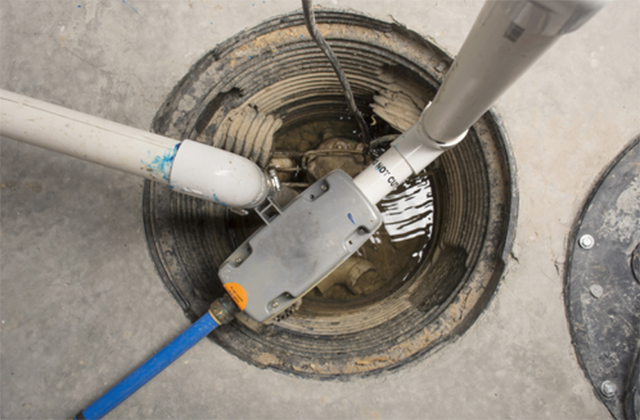
A sump pump automatically collects and redirects this water away from the foundation, preventing it from pooling inside the home. This proactive removal system is essential during intense rainstorms, when drains and gutters can’t keep up.
Moisture that lingers in a basement also creates the perfect environment for mold and mildew. These fungi can develop within 24 to 48 hours of exposure to damp surfaces, especially on drywall, insulation, or carpeting. Not only do mold spores spread quickly through HVAC systems, but they also trigger respiratory problems and allergic reactions—particularly in children and seniors. EPA Mold Basics
Finished basements, home offices, and storage spaces are at risk of serious damage from just one flooding event. Electronics, furniture, and valuables stored at ground level can be permanently destroyed. A professionally installed sump pump not only protects these investments but also preserves the resale value of the home.
Sump pumps also help regulate humidity levels. Excess moisture in the basement raises the overall humidity in the home, leading to musty odors and reduced indoor air quality. By eliminating water at its source, sump pumps contribute to a healthier, more comfortable living environment.
Learn more at Oregon Drain Cleaning’s Sump Pump Services.
What Types of Sump Pump Systems Are Available?
Choosing the right sump pump system for your Eugene home depends on your basement layout, water table levels, and whether your area frequently experiences power outages during storms. Here’s a breakdown of the most common types of sump pump systems, their functions, and key benefits.
Submersible Sump Pumps
Best for: Homes with finished basements, quiet operation, high water volume
Key features:
·Installed directly inside the sump pit
·Designed to operate underwater
·Quiet and efficient
·Higher horsepower options available
·Sealed for safety and durability
Submersible sump pumps are a top choice for homeowners who need power and discretion. Because the entire unit sits inside the pit, it stays out of sight and minimizes noise—perfect for finished basements or multi-use living spaces. These pumps are sealed to prevent electrical hazards and corrosion, making them more durable over time. Submersibles are also typically stronger than pedestal pumps and better equipped to handle high volumes of water in shorter periods.
However, they can be more expensive to purchase and repair, and servicing them requires removing the pump from the pit.
Pedestal Sump Pumps
Best for: Easy maintenance, infrequent flooding, or unfinished basements
Key features:
·Motor sits above the pit (not submersed)
·Only the pump base goes into the water
·Easier and cheaper to maintain
·Louder operation due to exposed motor
·Typically longer lifespan than submersibles
Pedestal sump pumps are an affordable option for homeowners with minimal water issues or unfinished basements where noise is not a concern. Since the motor stays out of the water, these units tend to last longer and are easier to repair or replace.
Their downside? They’re noisier and can be more visually intrusive. They’re also not ideal for areas that frequently flood or require large-volume pumping.
Battery Backup Systems
Best for: Flood-prone areas with unreliable power supply
Key features:
·Activates when the main sump pump fails or loses power
·Includes a sealed battery unit and backup float switch
·Often installed alongside a submersible or pedestal system
·Protects basement during power outages or pump malfunctions
Battery backup sump pump systems are crucial for Eugene homeowners who want complete peace of mind. During a power outage—especially in heavy storms when flooding risk is highest—battery backups automatically kick in to keep your basement protected.
The best battery backup systems also come with audible alarms and remote monitoring apps. These alert you to system failures or low battery life before they become problems. Battery lifespan is typically 3 to 5 years, depending on use and maintenance.
Water-Powered Backup Systems
Best for: Homes with consistent and reliable municipal water pressure
Key features:
·Uses water pressure to create a vacuum and pump out water
·No electricity or batteries required
·Maintenance-free and long-lasting
·Not suitable for homes on well water systems
·May use significant amounts of municipal water during operation
Water-powered sump pump systems offer a unique alternative to battery backups. They’re powered entirely by municipal water pressure and operate without any electrical components or moving parts that can fail.
While these systems are extremely reliable and virtually maintenance-free, they are not a fit for every home. They require a minimum level of consistent water pressure (typically over 40 psi) to work efficiently. Homes that rely on wells, or experience frequent municipal outages, should avoid this option.
Combination Systems
Some homeowners opt for a dual setup: a primary submersible sump pump with either a battery or water-powered backup unit. This combination ensures maximum reliability and helps cover all scenarios—from daily water removal to emergency backup protection.
👉 Want help choosing the right system?
Want the best system for your basement?
Schedule a sump pump consultation today
How Does a Sump Pump Work?
A sump pump is typically installed in a specially dug pit at the lowest point of your basement or crawlspace. Here’s how it functions:
1. Collection: Water enters the sump pit through drains or natural migration through the soil.
2. Activation: A float switch detects when the water reaches a certain level, triggering the pump.
3. Pumping: The pump activates and sends water through a discharge pipe away from the house.
4. Drainage: Water exits at a safe distance from the foundation, typically into a storm drain or dry well.
What’s Involved in Installing a Sump Pump?
- Site Evaluation
2. Excavation of the Sump Pit
3. Pump Selection & Installation
4. Discharge Line Installation
5. Electrical and Backup Setup
6. Testing & Cleanup
When Should a Sump Pump Be Replaced?
– Strange noises, grinding, or humming
– Frequent cycling on and off
– Rust or corrosion
– A pit that remains full during storms
– Pump older than 7–10 years
FAQ: People Also Ask About Sump Pumps in Eugene
Do all homes in Eugene need sump pumps?
Not every home requires a sump pump, but many do—especially if the property has a basement, crawlspace, or is built on low-lying or sloped terrain.
Eugene’s heavy rainfall and saturated soil can cause water to pool around foundations. If your home has ever experienced dampness, water seepage, or
flooding during storms, a sump pump is strongly recommended. Even homes with no previous water problems may benefit from preventative installation to avoid future damage.
If you’re unsure whether your home needs one, a quick drainage inspection can provide clarity.
👉 Schedule a sump pump evaluation today
How much does sump pump installation cost in Eugene?
The cost to install a sump pump in Eugene typically ranges from $1,200 to $3,000, depending on several key factors:
- Type of pump (submersible vs. pedestal)
- Whether a backup system is included
- Depth and accessibility of the sump pit
- Electrical and discharge line requirements
- Basement condition (finished vs. unfinished)
Custom drainage systems, interior French drains, or complex excavation needs may increase the price. Backup battery systems or water-powered backups can add an additional $300–$900 to the total.
While it’s an investment upfront, it’s far less expensive than flood remediation, mold remediation, or foundation repair costs.
Can sump pumps stop mold completely?
Sump pumps are not a complete solution to mold prevention—but they are the first and most important step. By actively removing excess water and keeping basement floors dry, a sump pump reduces the conditions where mold thrives: moisture, warmth, and organic material.
For full mold prevention, sump pumps should be paired with:
- Proper basement ventilation
- A quality dehumidifier
- Insulated or sealed basement walls
- Routine checks for leaks or condensation
According to the EPA, mold can begin growing within 24 to 48 hours on moist surfaces like drywall or carpet.
A sump pump can drastically reduce this risk by keeping your basement dry at its source.
What’s the difference between a sump pump and a French drain?
While both systems deal with water management, they serve different purposes and work in different ways:
- Sump Pump:
An active system that collects water in a basin and uses a motorized pump to discharge it away from your home. Best used for removing water that’s already inside or under your basement or crawlspace. - French Drain:
A passive system that uses gravel-filled trenches and perforated pipes to redirect surface or groundwater away from the home before it reaches the foundation. Often installed outside the perimeter of the home.
In many cases, the best protection comes from using both. A French drain helps intercept water before it reaches the basement walls, while a sump pump handles anything that makes it inside.
What happens if the power goes out during a storm?
During a storm, if your sump pump doesn’t have a backup system and your power goes out, your basement is vulnerable to flooding. This is why battery backup or water-powered backup pumps are crucial for storm-prone areas like Eugene.
- Battery Backup:
Kicks in immediately when the main pump fails or loses power. Ideal for homes with finished basements or expensive equipment stored below-grade. - Water-Powered Backup:
Uses municipal water pressure to remove water without electricity or batteries. These are great for long outages but not suitable for homes on well water.
So without a backup, your primary sump pump will shut off during a power failure—often the exact time you need it most.
👉 Need a backup system added to your pump?